Haughton School

Here at Haughton School, we strongly believe that communication is the centre of all learning and the core focus for pupils throughout the curriculum. Everyone has the right to communicate and we strive to promote pupil choice, control and independence. Both the NHS and private speech therapists work with staff and parents to break down individual barriers to communication, to develop their strengths and reach their full potential.

All pupils have a communication profile that provides key information of an individuals communication ability and how best to support their speech, language and communication needs. Pupils have the opportunity to access a range of tailored programmes to develop speech, expressive language, comprehension and social interaction skills in a Total Communication environment.

COMMUNICATION RESOURCES

Below are some links to some resource examples that you may be able to use to support your child at home. There is a range of options to encourage independence, choice-making, self-help and self-regulation. If you would like support with more individualised resources for your child to use at home, please do not hesitate to contact your child’s class teacher or our Outreach and Inclusive Communication Teacher [email protected], for support.

Please click on each folder to see the resources that you can print off and use at home.

MAKATON


Today over 100,000 children and adults use Makaton symbols and signs, either as their main method of communication or as a way to support speech.

In addition to children and adults with communication and learning difficulties and the community around them – for example, teachers, health professionals, friends, public service bodies etc. Makaton is increasingly used by the general public to aid communication.

Makaton has been shown to be useful for all sorts of people including those who struggle with understanding concepts, those who have poor literacy skills, including grammatical knowledge, and those with English as an Additional Language. By using Makaton, children and adults can take a more active part in life, because communication and language are the key to everything we do and learn” (© 2023 The Makaton Charity).

At Haughton we are a Makaton friendly setting and have received a Bronze Award for our whole school commitment towards embedding the use of Makaton within our school culture. Makaton signing helps us to support both understanding and expressive language. In our classes we share the Makaton sign of the week each day. A link to this can be found on our school website and Facebook page.

Click the image above for the Sign of the Week on the Makaton website:  

Click the image above for the Sign of the Week on the Makaton website:  

SYMBOLS

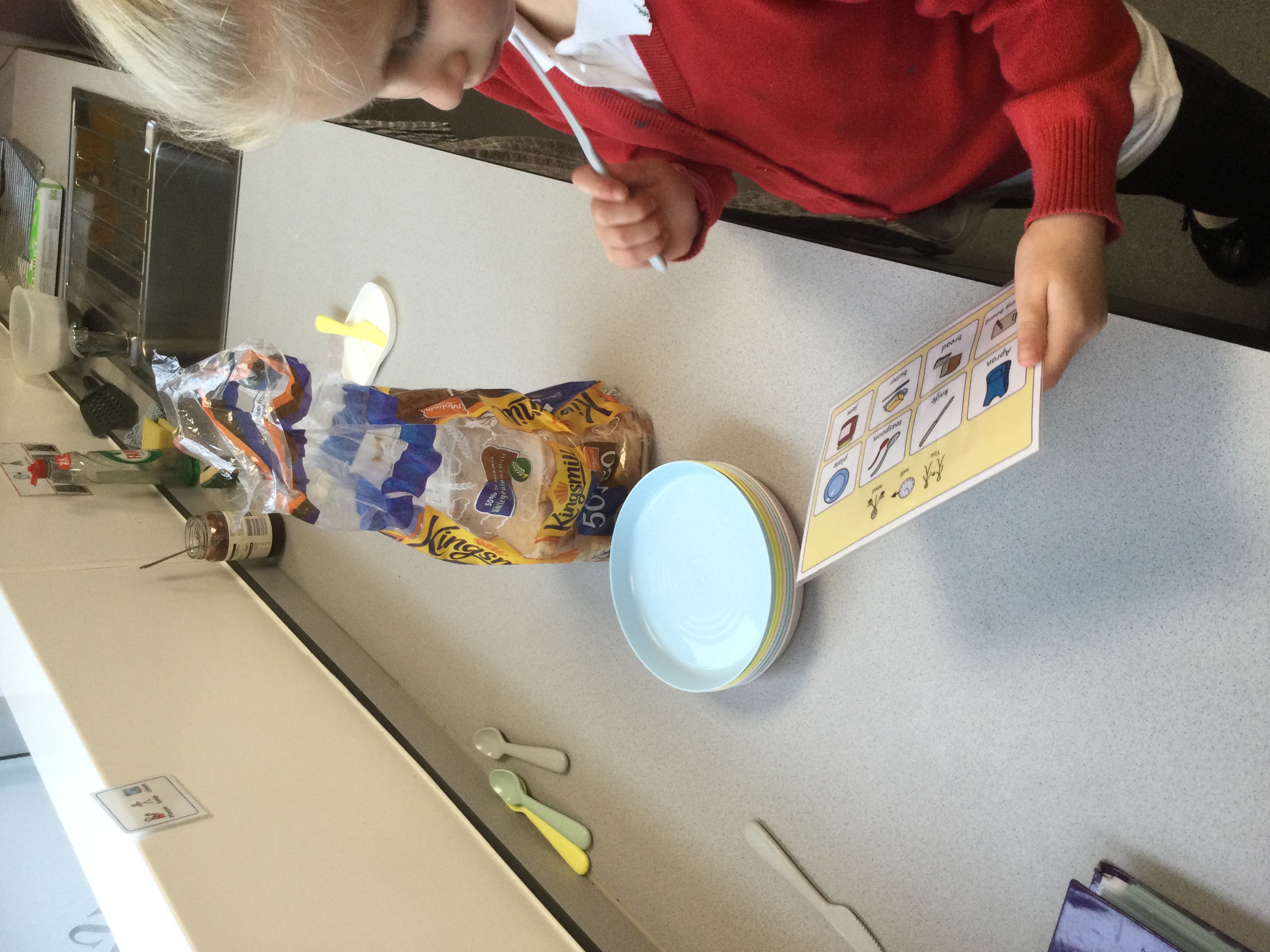
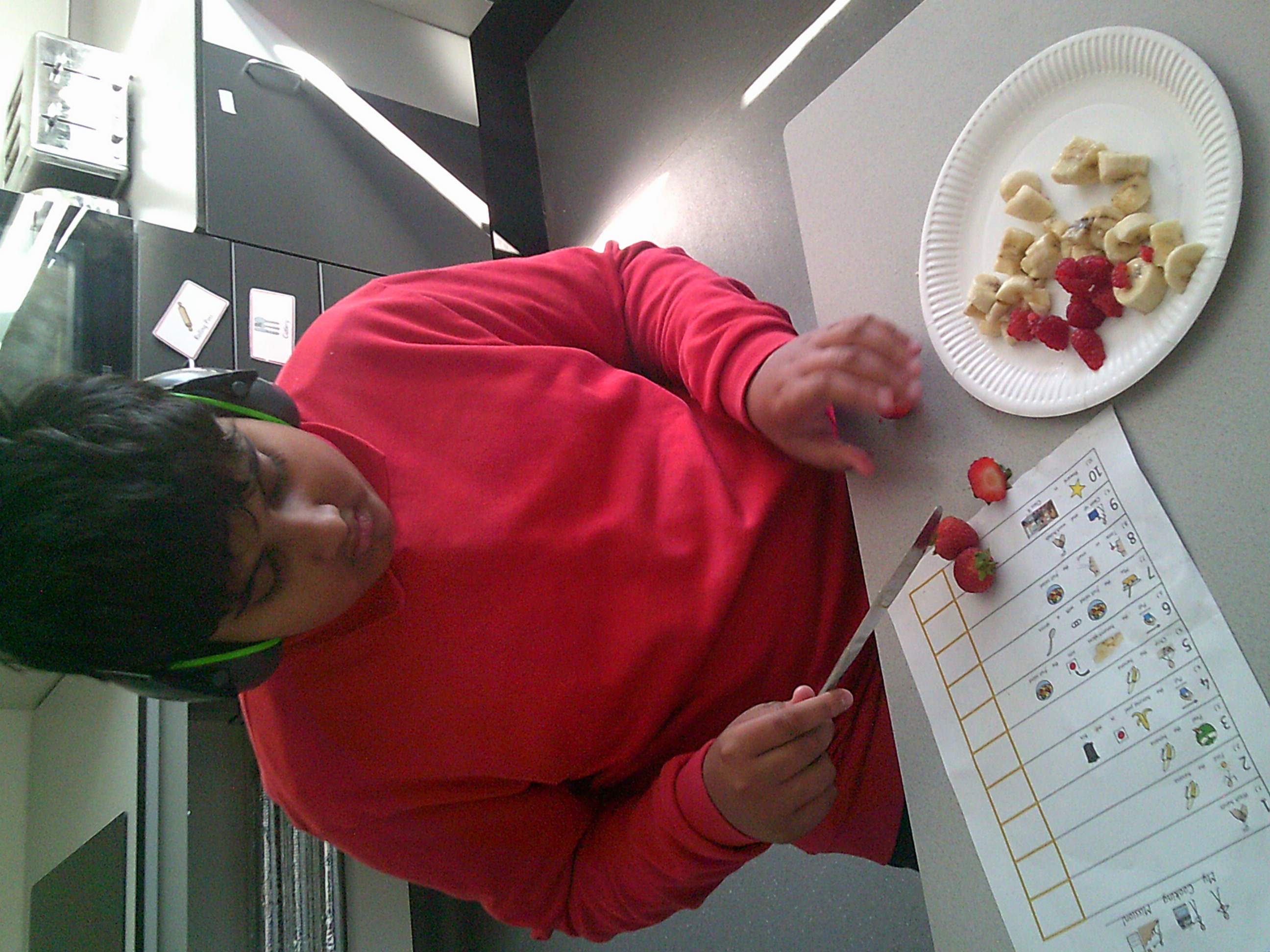
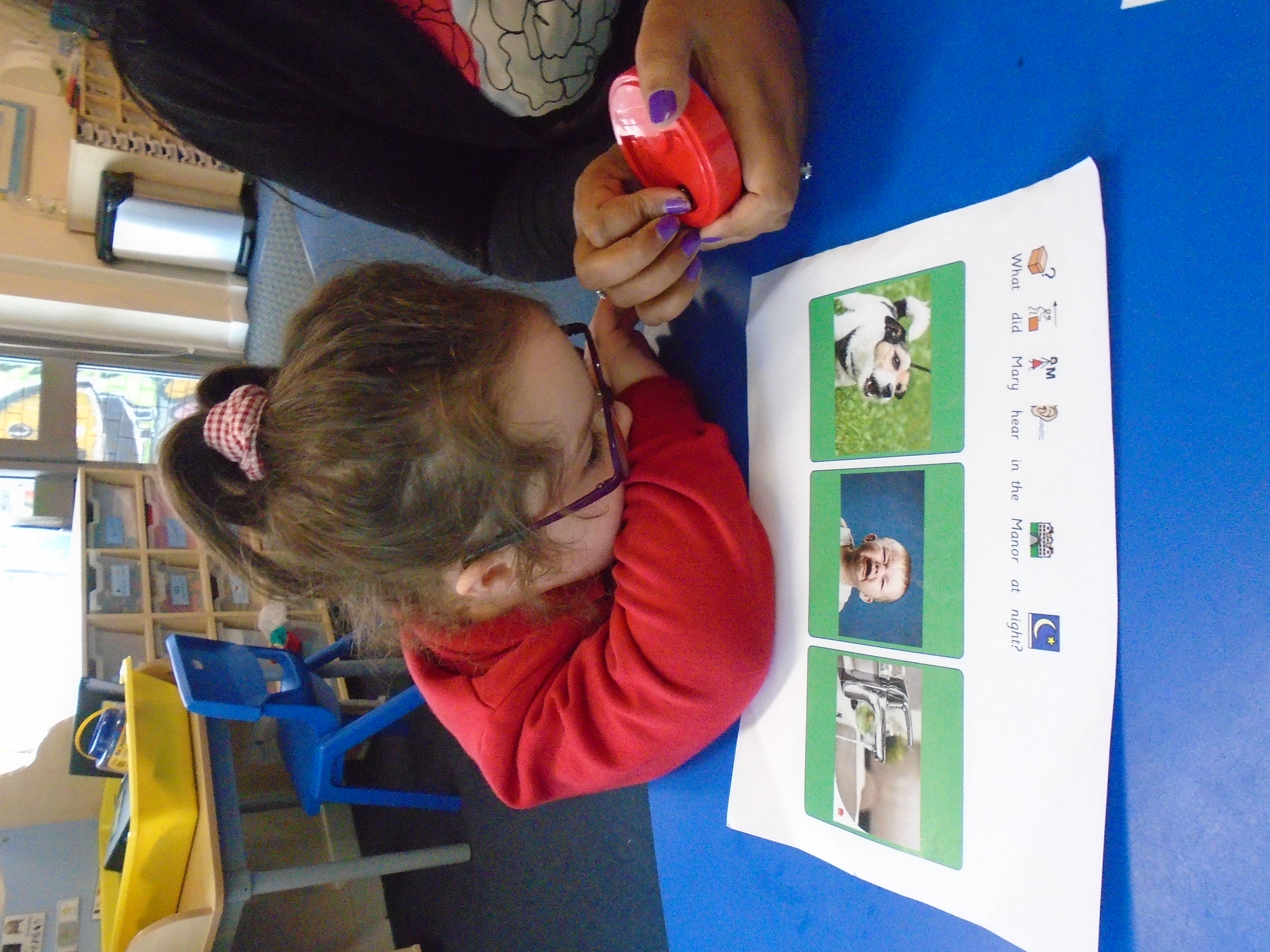
A symbol or photo is a visual representation of an item, idea or concept.  At Haughton School, we use Widgit Symbols through the InPrint software. These symbols are used consistently throughout our school. Within the school day our children will experience symbols to support transition; to support their communication; to develop bespoke behaviour and resources and to enhance their access to teaching and learning materials across the whole curriculum. 

We have agreed symbols and photograph timetables within school to ensure consistency across the school. We also ensure that the classroom and wider school environments are labelled with visuals to ensure access, reduce anxiety around transition and to promote the independence of all our children.  

In school all classes have access to a further Widgit software called ‘SymWriter2’. SymWriter 2 is available on all of the children’s laptops within school and is a symbolised word processor that allows our children to see the meaning of words as they type or input content from grids, supporting access to new or challenging vocabulary.

If you would like support with symbol use at home, please do not hesitate to contact your child’s class teacher or our Outreach and Inclusive Communication Teacher [email protected], for further advice.


COLOURFUL SEMANTICS

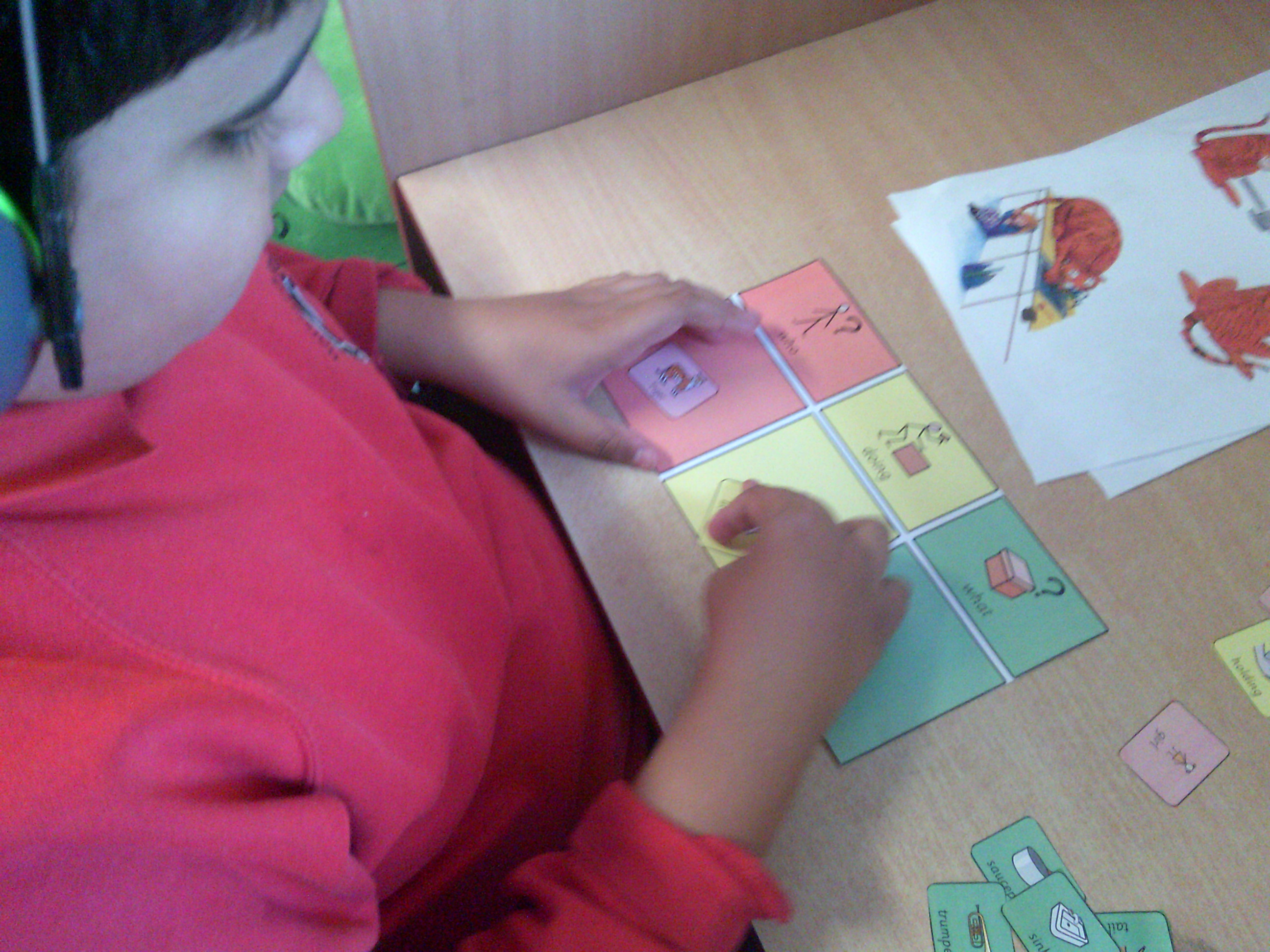
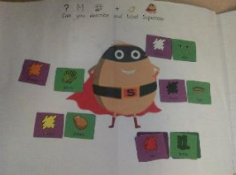
The Colourful Semantics approach was created by Speech and Language Therapist (SALT) Alison Bryan. It is a Speech and Language Therapy technique that uses colour coded words; this

together correctly to construct a sentence. The Colourful Semantics approach teaches children different ‘types’ of words and associates these words with colours.

These are the different levels that are taught, within the Colourful Semantics programme:

ALTERNATIVE AUGMENTATIVE COMMUNICATION (AAC)

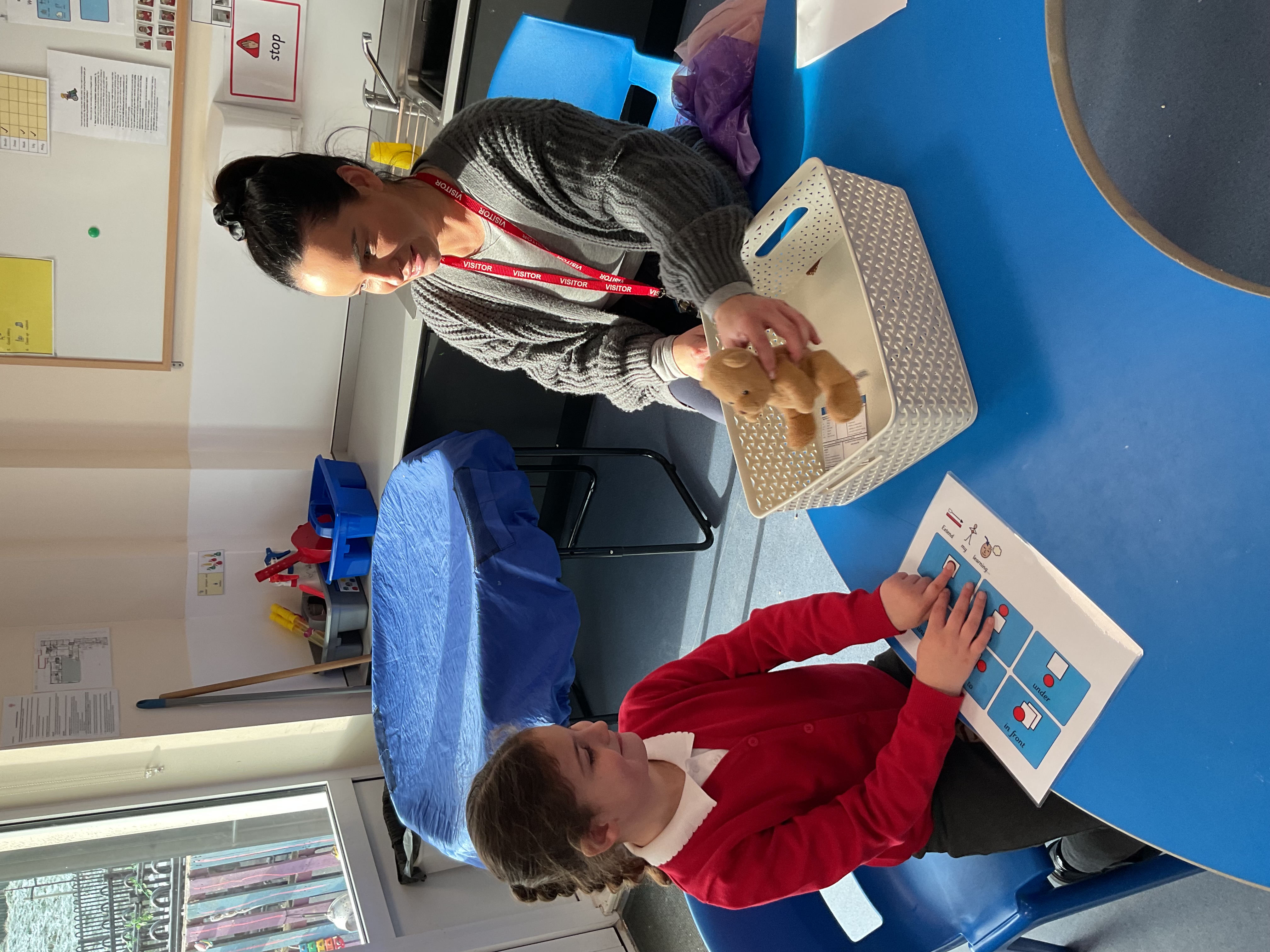
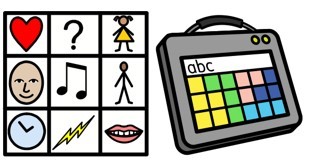
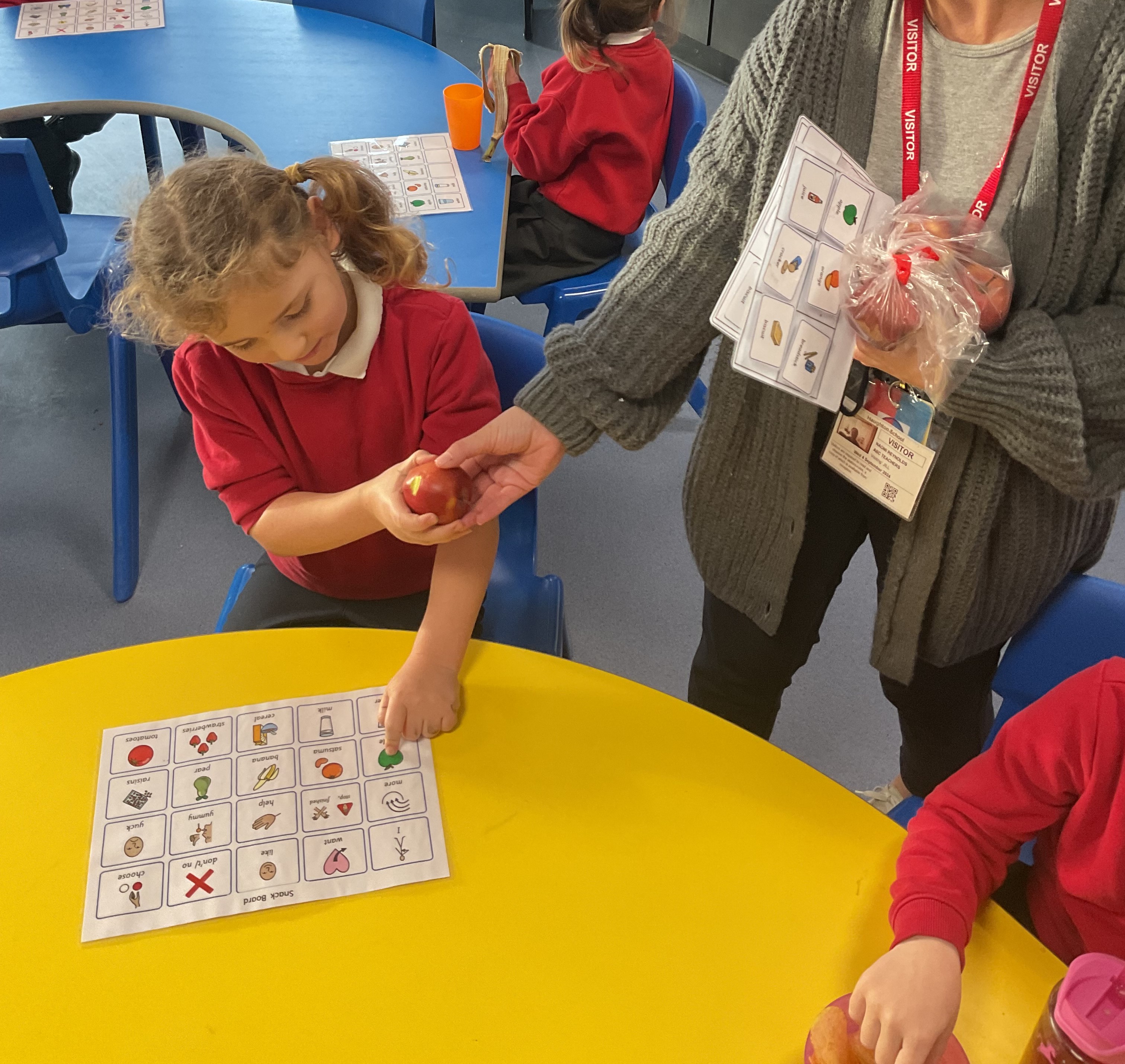
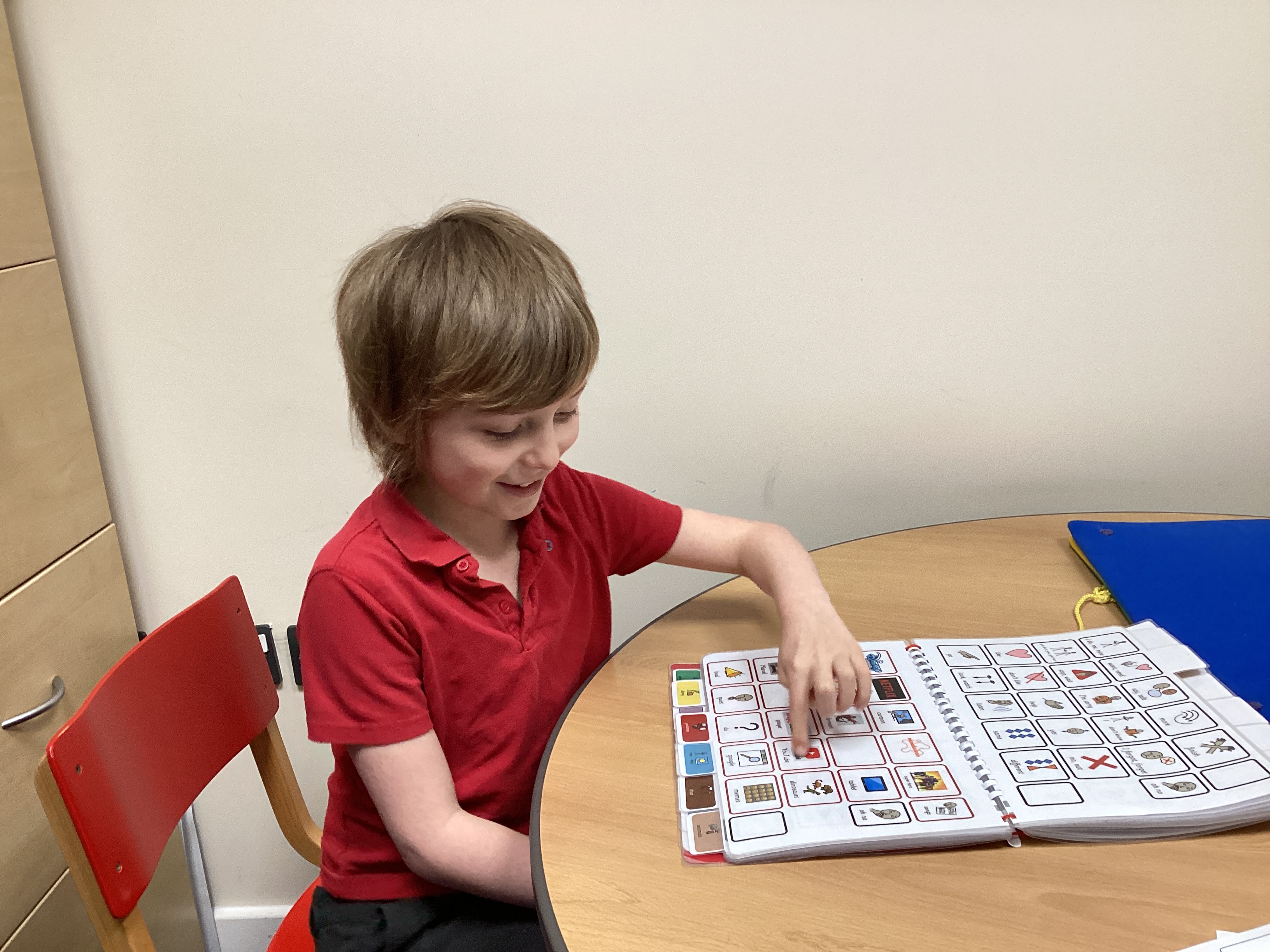
AAC can be defined as any means which provides an alternative to spoken language and/or enhances an individual’s ability to successfully convey meaning to others. Low tech devices can be a way of supporting AAC, for example the use of signing and symbols, Communication Passports, Communication Mats, PODD books and PECs. Some of our children also use high tech aids to support their AAC, these are electronic devices such as an iPad containing a robust AAC software. High tech aids are used to support the children’s access to the curriculum by giving them the vocabulary and language forms needed for learning and successful communication.

Children who use AAC devices should always have access to their AAC device throughout the school day including at break and lunchtimes. Staff training is delivered by the Speech and Language Therapists to develop the use of these AAC devices effectively and consistently across school to support the children who are using them. Our lead AAC therapist Dyllis Kilby also offers termly drop ins throughout the academic year to support staff with their knowledge of AAC and to address the specific needs of individual children.

OBJECTS OF REFERENCE

Objects of Reference (OOR) is a highly effective approach to aiding the understanding of spoken language and supporting the understanding of daily routines. These objects also provide a means of expressive communication. Currently at Haughton some children in school will use OOR to support their understanding of daily routines, to support transitions and to introduce subject lessons. After discussions with our Speech and Language Therapy Team and the First Links team we have introduced an agreed list of Haughton OOR. This will ensure that staff can support any specific individuals that may need them within our school as well as embedding the use of OOR within Badgers Class and our specialist, Semi-Formal classes.


INSERT PHOTO OF CHILD IN SCHOOL USING AN OOR (CHECK WEBSITE CONSENTS)

INTENSIVE INTERACTION

Intensive Interaction is a practical, communication approach designed to help people at early levels of development by supporting them in developing their early interaction abilities – how to enjoy being with other people – to relate, interact, know, understand, and practice communication routines. It is based upon the teaching of fundamental communication for those children/adults who need support in developing such skills e.g. attention and concentration, turn taking, sharing personal space, using facial expression and using vocalisations with meaning.

SPEECH & LANGUAGE THERAPY

The Speech and Language Therapists work on a consultative basis in conjunction with the Speech and Language Therapy Assistants, school staff and parents. The Speech and Language Therapists are based within school for up to 1.5 days between them, per week. Assessment may involve observation in the classroom, individual assessments and liaison with parents and carers. General advice is given to the school and our staff regarding the development of our children’s communication skills and whole staff training is provided by the SALT, in the form of training packages, as required. Following assessment, SALT provide individualised programs which are carried out throughout the school day by the school staff and parents/carers where applicable. A child may also receive group or individual therapy sessions with one of our Therapy Assistants who work within school on a full-time basis.

For further local information from Shropshire Community SALT Services can be found by clicking the images below: